
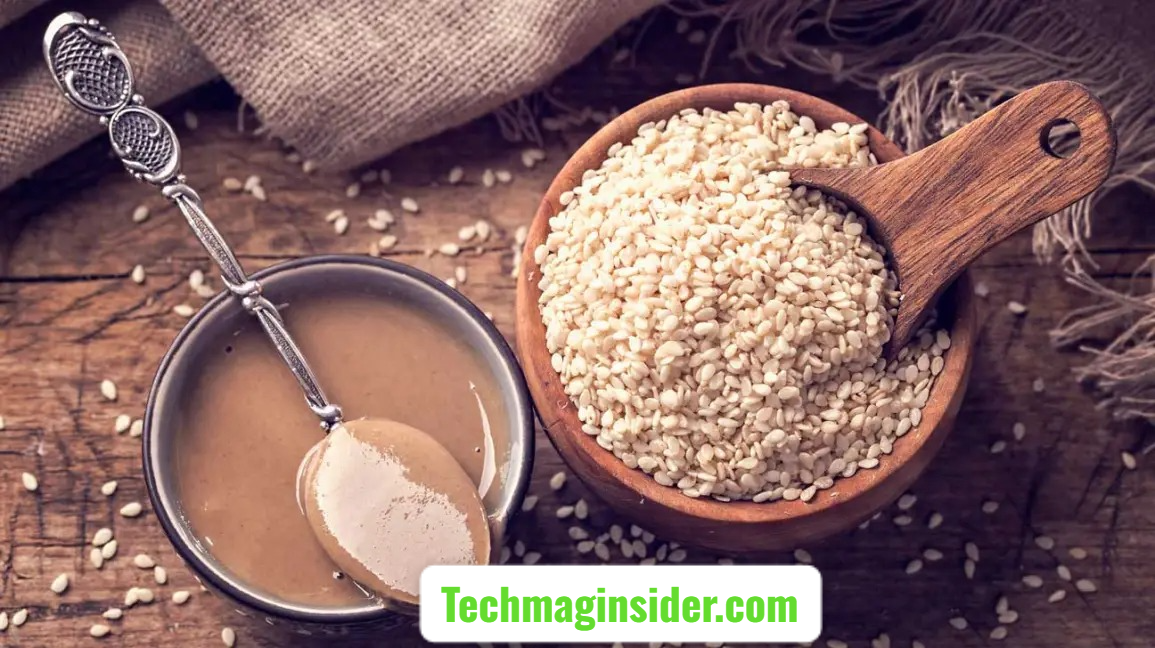
Tahini is a smooth paste made from ground sesame seeds, commonly used in Middle Eastern and Mediterranean cuisine. It is rich in healthy fats, plant protein, calcium, and antioxidants. Tahini supports heart health, bone strength, digestion, and energy levels. Its nutty flavor makes it versatile for both savory and sweet dishes, sauces, and spreads.
Tahini is a nutrient-dense sesame paste known for its rich flavor and impressive health benefits. Widely used in global cuisines, it plays a key role in dishes like hummus, sauces, and desserts. Packed with healthy fats, plant protein, and essential minerals, tahini supports heart, bone, and brain health. This guide explains what tahini is, how it’s made, its nutritional value, cooking uses, and why it’s considered a modern superfood. Whether you follow a plant-based diet or want healthier food choices, tahini fits easily into everyday meals.
What Is Tahini and Why Is It So Popular Worldwide
Tahini is a creamy paste made by grinding sesame seeds into a smooth consistency. It has a slightly nutty, earthy flavor that works well in many cuisines. Tahini is popular because it is both tasty and nutritious, offering healthy fats and plant-based protein. It is commonly used in Middle Eastern, Mediterranean, and modern Western recipes. Many people enjoy tahini as a base for sauces, dips, and spreads. Its long shelf life and versatility make it a kitchen staple. Today, tahini is widely recognized as a healthy alternative to processed spreads.
The Origins of Tahini and Its Journey Through History
Tahini has a long history dating back thousands of years. Ancient civilizations in the Middle East first used sesame seeds for oil and paste. Over time, tahini became a core ingredient in traditional dishes such as hummus and halva. Traders helped spread its use across Asia, Europe, and Africa. Historical records show sesame was valued for its nutritional strength. As global cuisine evolved, tahini found its place in modern kitchens. Today, it represents cultural tradition while fitting into healthy eating trends worldwide.
How Tahini Is Made From Sesame Seeds Step by Step
Tahini production begins with cleaning high-quality sesame seeds. These seeds may be hulled or left whole, depending on the desired taste. Next, the seeds are lightly roasted or kept raw. They are then ground into a thick paste using stone mills or modern grinders. Sometimes a small amount of oil is added for smoothness. The result is a creamy, spreadable paste. This simple process keeps tahini natural and nutrient-rich without the need for additives.
Different Types of Tahini and Their Key Differences
There are several types of tahini available today. Hulled tahini is smooth and mild, making it ideal for sauces. Unhulled tahini contains more fiber and minerals but has a stronger taste. Raw tahini is lighter in flavor and less bitter. Roasted tahini offers a deeper, nuttier profile. Each type serves a different cooking purpose. Choosing the right one depends on taste preference and recipe needs.
Nutritional Profile of Tahini: Calories, Fats, and Minerals
Tahini is packed with essential nutrients. It contains healthy unsaturated fats that support heart health. A single serving provides plant protein, calcium, iron, and magnesium. Tahini is also rich in antioxidants and B vitamins. Studies show sesame seeds may help reduce inflammation and cholesterol levels. Despite being calorie-dense, tahini offers high nutritional value. When consumed in moderation, it fits well into balanced diets.
Science-Backed Health Benefits of Tahini
Tahini offers several proven health benefits. Research links sesame-based foods to improved heart health and better cholesterol balance. Its calcium content supports strong bones. Tahini also helps provide steady energy due to healthy fats. Antioxidants in sesame seeds may reduce oxidative stress. Many nutritionists recommend tahini for plant-based diets. Its nutrient profile makes it beneficial for long-term wellness.
How Tahini Supports Heart, Brain, and Bone Health
Tahini contains omega fats that support cardiovascular function. Magnesium and calcium help maintain bone density. Iron supports oxygen flow in the body. B vitamins aid brain function and focus. Regular consumption may help reduce inflammation. These benefits make tahini suitable for students and active individuals. It supports both physical and mental health naturally.
Tahini in Everyday Cooking: Savory and Sweet Ideas
Tahini is extremely versatile in cooking. It enhances savory dishes like dressings, marinades, and roasted vegetables. In sweet recipes, it pairs well with honey, dates, and chocolate. Tahini can replace butter or cream in healthier recipes. Many chefs use it for flavor depth. Its smooth texture blends easily into meals. This versatility makes it popular in modern cooking.
Also read this: Sylveer: The Hidden Power Revolutionizing Next-Gen Health Technology
How to Prepare Smooth and Creamy Tahini Sauce at Home
Making tahini sauce is simple and quick. Mix tahini with lemon juice, garlic, and water. Adjust consistency by adding water slowly. Salt enhances the flavor. This sauce works as a dip or drizzle. Homemade versions avoid preservatives. It’s healthier and customizable for taste.
Tahini vs Peanut Butter: Which Is Healthier and Why
Tahini and peanut butter are both nutritious spreads. Tahini contains more minerals like calcium and iron. Peanut butter offers slightly more protein. Tahini is lower in sugar and often less processed. It suits people with peanut allergies. Both can be part of a healthy diet. Choice depends on nutritional needs.
Is Tahini Good for Weight Management and Fitness Diets
Tahini can support weight management when used wisely. Healthy fats help control hunger. Protein supports muscle repair. Small portions provide long-lasting energy. Fitness diets benefit from its nutrient density. Overuse may increase calories, so moderation is key. Balanced meals work best.
How to Choose High-Quality Tahini From the Market
Good tahini has a smooth texture and mild aroma. Check labels for minimal ingredients. Avoid products with added sugars. Light separation of oil is normal. Glass jars often preserve freshness better. Quality tahini tastes rich and creamy.
Best Ways to Store Tahini for Freshness and Flavor
Store tahini in a cool, dry place. Refrigeration extends shelf life after opening. Stir before use if oil separates. Always seal tightly. Proper storage keeps flavor intact. Fresh tahini lasts several months.
Common Mistakes People Make When Using Tahini
Many people don’t stir tahini properly. Using too much can overpower dishes. Some add water too quickly to sauces. Storing it incorrectly affects taste. Avoid overheating tahini. Correct use improves results.
Why Tahini Is Considered a Superfood in Modern Diets
Tahini is labeled a superfood due to its nutrient density. It supports heart, bone, and brain health. Plant-based protein makes it ideal for vegans. Antioxidants help protect cells. Its versatility boosts daily nutrition. Tahini fits modern healthy lifestyles.
Conclusion & Call-to-Action
Tahini is more than a flavorful sesame paste—it’s a nutritional powerhouse. From heart health to versatile cooking uses, it offers real benefits for everyday diets. Whether you’re exploring healthy eating or upgrading your recipes, tahini is a smart choice. Try adding it to your meals today and experience its natural goodness. If you found this guide helpful, share it and explore more nutrition-focused content for a healthier lifestyle
FAQs
Is tahini healthier than butter?
Tahini contains healthy fats and more minerals, making it a better option.
Can kids eat tahini safely?
Yes, in moderate amounts, tahini is safe and nutritious for children.
Is tahini suitable for vegan diets?
Tahini is fully plant-based and ideal for vegans.
Does tahini help digestion?
Fiber and healthy fats support digestive health.
Can tahini be eaten daily?
Yes, small daily portions are safe and beneficial.
Is tahini gluten-free?
Pure tahini is naturally gluten-free.
Why does tahini taste bitter sometimes?
Unhulled or old tahini can have a bitter taste.
Fore more info: Techmaginsider.co.uk
