
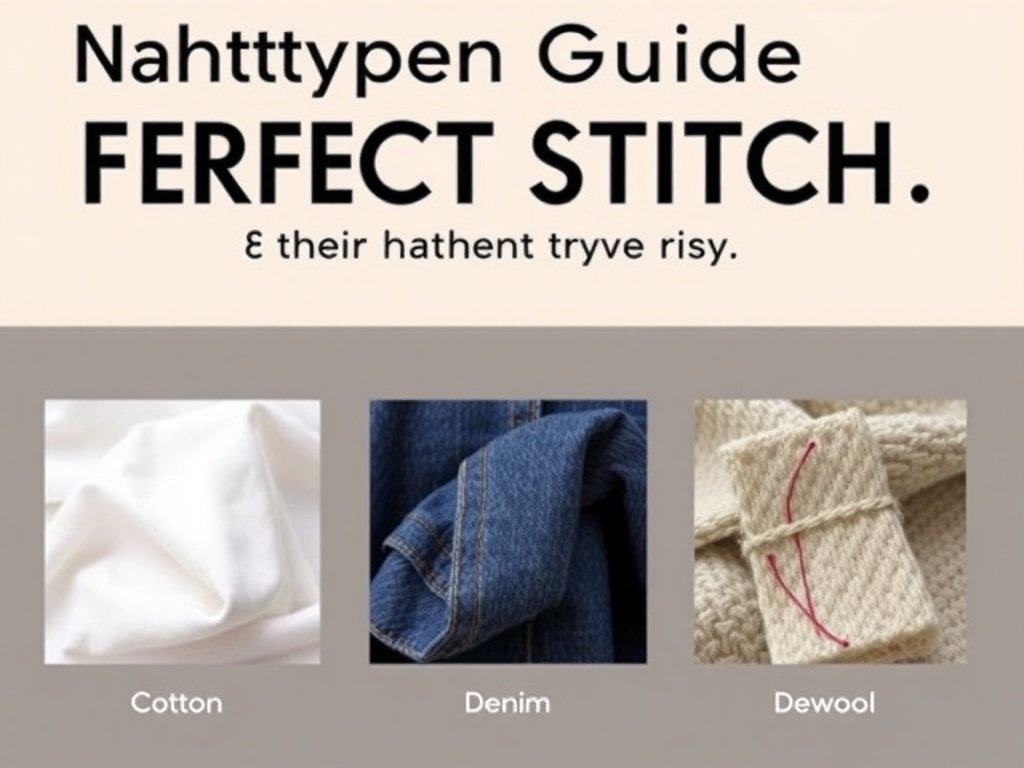
Nahttypen refers to different stitch types used in sewing. Choosing the right stitch depends on fabric type: straight stitch for woven fabrics, zigzag for stretch knits, and reinforced stitches for heavy fabrics like denim. Proper Nahttypen ensures durability, prevents puckering, and enhances garment quality. Always test stitches on scrap fabric before sewing to achieve optimal results.
Nahttypen, or stitch types, form the foundation of quality sewing. Every fabric—whether lightweight cotton, stretchy knit, or heavy canvas—requires specific stitches for strength, flexibility, and professional finish. Knowing when to use a straight, zigzag, stretch, decorative, or reinforced stitch saves time and prevents fabric damage. In this article, you’ll learn practical tips for matching stitch types with fabrics, adjusting stitch settings, avoiding common mistakes, and finishing seams like a pro. By understanding Nahttypen, even beginners can improve sewing results, make stronger seams, and achieve polished garments. Follow these simple guidelines to choose the right stitch confidently for every project.
What Are Nahttypen and Why They Matter
Nahttypen means different types of stitches used in sewing, and choosing the correct one affects fabric strength, appearance, and durability. Fabrics like cotton or linen need a simple straight stitch, while stretchy knits require more flexible stitches like zigzag or stretch stitches. Using the wrong stitch can cause puckering, breaks, or distortion. Understanding how Nahttypen works helps elevate your sewing quality, prevents mistakes, and saves time. Whether you’re a beginner or more experienced, knowing stitch basics ensures professional finishes on every project.
Straight Stitch – Best for Woven Fabrics
The straight stitch is the most basic and widely used Nahttypen for sewing woven fabrics such as cotton, linen, and broadcloth. It creates a clean, secure seam without stretch, making it suitable for non‑stretch materials. Adjusting stitch length can improve results—shorter for lightweight fabric and longer for medium weight. Avoid using a straight stitch on stretchy fabric, as it can break when the fabric stretches. Mastering this stitch ensures smooth seams and reliable construction for everyday garments and projects.
Zigzag Stitch – Ideal for Stretch Fabrics
The zigzag stitch is a flexible Nahttypen perfect for knit or stretchy fabrics like jersey or spandex. Unlike straight stitches, zigzag allows fabric to stretch without breaking the seam. It’s also essential for finishing raw edges to prevent fraying. Adjusting the width and length of the zigzag affects strength and stretch. Learn to test the stitch on scrap fabric before sewing your final seam to ensure comfort, fit, and durability in stretchy garments, activewear, or knit projects.
Reinforced Stitches for Heavy Fabrics
Heavy fabrics like denim, canvas, or upholstery require reinforced Nahttypen, which combine several stitches to create extra strength. Triple or lock stitches are examples that prevent seam splitting under pressure. These stitches add durability for high‑stress areas such as pockets or knees. Using the right needle and thread with reinforced stitches ensures longevity and professional results. Always test a small section to confirm the stitch works well with both fabric weight and thread thickness.
Best Stitches for Lightweight Fabrics
Delicate fabrics like silk, chiffon, or organza need gentle Nahttypen that don’t damage the fibers. Narrow zigzag, French seams, or fine straight stitches protect delicate edges and reduce fraying. Light, airy fabrics can shift while sewing, so pinning well and using a fine needle enhances control. Choosing the right stitch prevents puckers and preserves fabric drape. Proper technique with lightweight fabrics results in elegant and refined seams that elevate garment quality.
Decorative Stitches That Enhance Design
Decorative Nahttypen add style and detail while also reinforcing seams when done correctly. These stitches include scallops, shell, or embroidery stitches that create visual interest. When selecting decorative stitches, match the thread type and color to fabric for balance. Test decorative stitches on fabric scraps to adjust tension and design placement. Decorative stitches work well on hems, cuffs, or accent areas, providing both beauty and functionality without weakening the fabric.
Hand Sewing vs. Machine Sewing Stitches
Hand sewing Nahttypen differ from machine stitches, offering versatility for areas machines can’t reach. Hand stitches like slip stitch, backstitch, or whipstitch provide precision for hems, closures, and detailing. While machine stitches are faster and more uniform, hand stitches offer control and subtlety. Choosing between them depends on fabric, seam location, and desired finish. Combining both methods often yields the best results, especially in tailored garments or intricate fabric work.
Avoiding Common Stitching Mistakes
Common mistakes with Nahttypen include using incorrect stitch types, wrong tension settings, or mismatched thread and needle. These lead to puckering, skipped stitches, or weak seams. Prevent errors by always testing stitches on scrap fabric and adjusting machine settings. Ensure needles match the fabric weight and thread type. Understanding these common issues helps sew cleaner seams, stronger garments, and faster project completion with fewer frustrations.
Also read this: Burt Thicke: Complete Biography, Career, Family, Achievements & Legacy
Adjusting Stitch Length & Width
Adjusting stitch length and width directly affects seam strength and appearance. Longer stitches suit lightweight fabrics and ease curves, while shorter stitches enhance strength in heavy fabrics. Zigzag width determines how much stretch is allowed in the seam. Experiment with settings to find the ideal balance for your project. Proper adjustment supports fabric movement and prevents seam distortion, especially when working with multiple fabric types in a single garment.
Seam Finishing Techniques
Seam finishing involves additional Nahttypen to prevent fraying and strengthen edges. Techniques like overlocking, French seams, and bias binding add durability and clean aesthetics. Choosing the right finish depends on fabric type and garment purpose. Heavier fabrics may benefit from overlocking, while delicate fabrics need gentle enclosed seams. Seam finishing elevates garment longevity and visual appeal, making seams neat from the inside out.
Testing Stitches Before Sewing
Testing Nahttypen on scrap fabric before sewing final seams avoids mistakes and ensures compatibility with your fabric. This step shows how stitches behave under tension and informs necessary adjustments to length, width, or tension. Treat this as an essential part of the sewing process, not an optional step. Testing improves confidence, prevents costly errors, and enhances final garment quality, resulting in seams that look and perform professionally.
Tools That Improve Stitching Results
The right tools support effective Nahttypen execution. Quality needles, sharp scissors, seam ripper, pins, and appropriate thread make a difference in precision and finish. Different fabrics need specific tools—ballpoint needles for knit, heavy‑duty for denim, and fine needles for silk. Investing in good tools enhances stitch quality and reduces fabric damage, ultimately improving your sewing experience and results.
Repair & Alteration Stitch Choices
Repair and alteration projects require specialized Nahttypen to blend seamlessly with existing seams. Invisible stitches like slip stitch or small zigzag help mend tears without visible lines. Reinforced stitches strengthen worn areas. Always match thread color and texture to fabric to maintain garment aesthetics. Knowing the right stitch for repair and alteration extends garment life and preserves original design intention.
Professional Tips for Perfect Seams
Professional sewists focus on fabric preparation, tension settings, and consistent stitch application. Pressing seams with an iron after stitching ensures flat, crisp results. Adjust machine tension based on fabric and stitch type to prevent loops or tightness. A slow, steady sewing pace improves accuracy, especially around curves. These Nahttypen tips help elevate novice work to professional quality with cleaner seams and confident execution.
Conclusion
Understanding Nahttypen empowers you to choose the best stitch for every fabric, improving garment strength, appearance, and longevity. From straight stitches for woven fabrics to flexible zigzag for knits, each stitch has purpose. Test stitches, adjust machine settings, and combine techniques for best results. With practice, your sewing becomes more efficient, precise, and professional—making every project a success.
FAQs
Q1: What is Nahttypen?
Nahttypen refers to different stitches used in sewing to match fabric needs and garment design.
Q2: Which stitch is best for cotton?
A straight stitch works best for cotton fabrics due to its simplicity and strength.
Q3: Can I use a straight stitch on stretchy fabric?
No — stretchy fabrics require flexible stitches like zigzag or stretch stitches to prevent breakage.
Q4: How do I prevent fabric fraying?
Finish seams with overlocking, zigzag stitches, or French seams to prevent fraying.
Q5: What needle should I use for knits?
Use a ballpoint needle when sewing knit fabrics to avoid snagging and skipped stitches.
Q6: Why test stitches on scrap fabric?
Testing on scraps helps adjust tension, stitch length, and width for perfect results.
Q7: Can decorative stitches be functional?
Yes — decorative stitches can both enhance design and reinforce seams when applied correctly.
For more info: techmaginsider.com
