
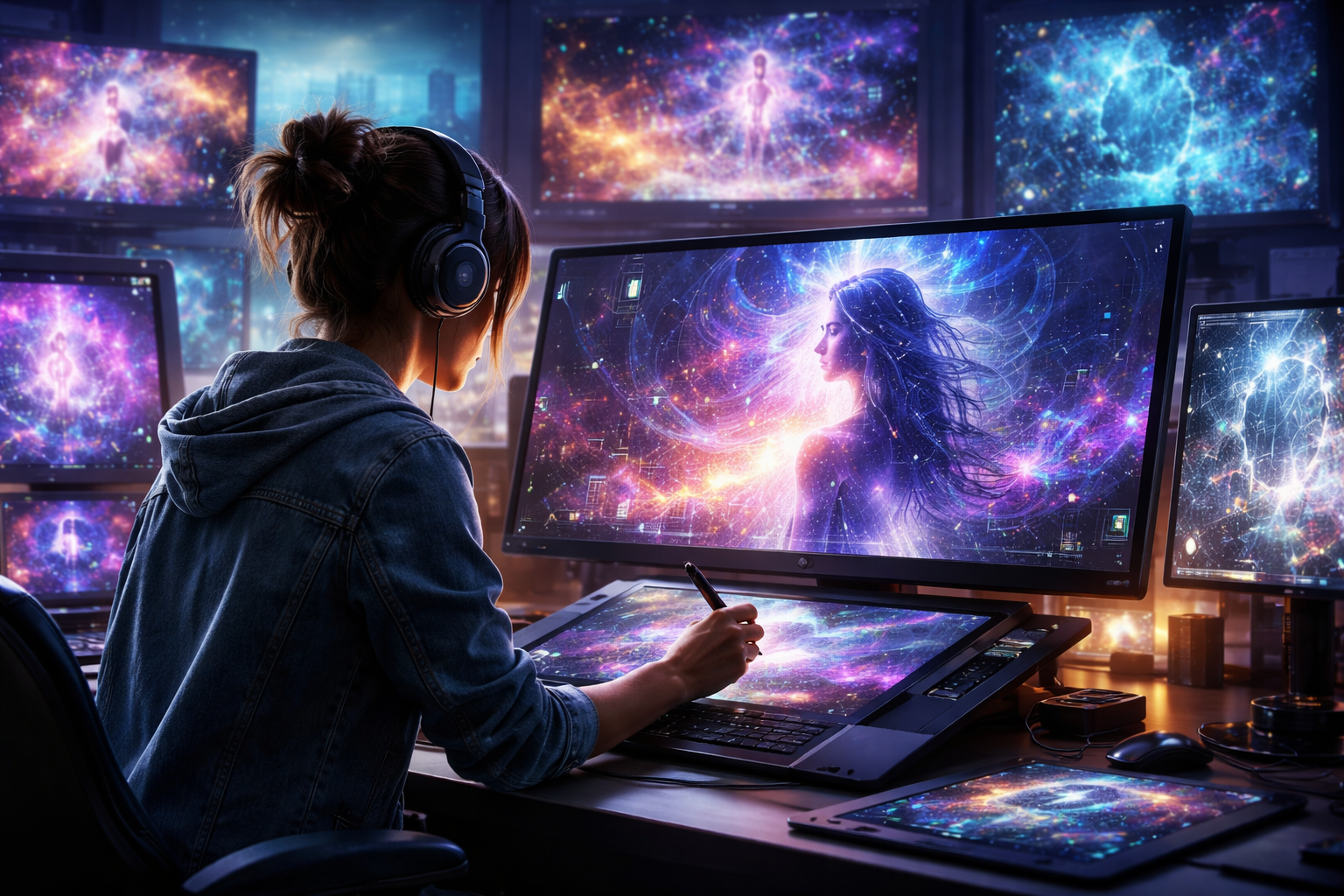
The digital art world is evolving at a rapid pace. Artists, designers, and content creators are no longer limited by traditional tools or time-consuming processes. With the rise of artificial intelligence, creative work has become faster, smarter, and more accessible to people from all backgrounds. What once required advanced technical skills can now be achieved with simple inputs and creative ideas.
Modern tools are helping creators turn imagination into reality within seconds. This shift is not just about convenience; it is about expanding what is possible. From realistic images to cinematic visuals, technology is now a creative partner rather than just a tool.
Understanding the Technology Behind the Shift
At the center of this transformation is a new wave of AI-powered creative engines. These systems are designed to understand prompts, analyze patterns, and generate visuals that closely match human imagination. They can create detailed images, dynamic scenes, and even video content that feels natural and immersive.
This type of technology works by learning from vast amounts of visual data. It understands lighting, textures, colors, and composition. As a result, creators can produce high-quality visuals without spending hours editing or designing from scratch.
One of the most exciting developments in this space is the ability to generate both images and videos almost instantly. This speed allows creators to experiment more, refine ideas quickly, and bring projects to life with greater efficiency.
Transforming the Creative Workflow
The creative process used to involve multiple steps and different tools. Artists would sketch ideas, refine them in design software, and then use separate tools for animation or video editing. This process could be slow and sometimes frustrating.
Today, AI-driven tools are simplifying this workflow. Creators can now move from idea to final output within a single platform. This reduces the need to switch between multiple applications and helps maintain creative focus.
Such tools are especially useful for:
- Content creators working on tight deadlines
- Marketers producing campaign visuals
- Designers experimenting with new concepts
- Filmmakers creating pre-visualizations
By reducing technical barriers, these tools allow creators to focus more on storytelling and innovation.
Integration That Changes the Game
A significant step forward in this evolution is the seamless integration of advanced creative tools into unified platforms. Grok Imagine has been thoughtfully incorporated into invideo’s ecosystem, allowing users to access powerful image and video generation capabilities within a single creative environment.
This integration enhances the overall experience by combining multiple creative functions into one space. Instead of switching between tools for images, videos, and audio, creators can manage everything in one workflow. It creates a smoother and more efficient process, especially for professionals handling complex projects.
Within this setup, grok imagine ai plays a crucial role by enabling the rapid creation of photorealistic visuals and cinematic sequences. This capability allows creators to generate high-quality assets instantly, making it easier to meet deadlines and maintain creative consistency. The integration also supports experimentation, as users can quickly test different visual ideas without additional effort.
Overall, this connected approach helps reduce production time, improves collaboration, and allows creators to focus on the artistic side of their work.
Redefining Efficiency with Specialized Tools
The impact of these advancements is felt most strongly in the day-to-day operations of creative teams. In the past, a “simple” change to a scene might mean hours of re-rendering. Now, those changes can happen almost instantly. This speed allows for a “fail fast” mentality, where dozens of versions of a concept can be tested in a single afternoon.
These tools are particularly helpful for:
- Rapid Prototyping: Visualizing a script before a single frame is filmed.
- Social Media Agility: Producing high-quality clips that react to real-time trends.
- Enhanced Storyboarding: Moving beyond static sketches to animated “mood boards.”
The rise of the ai video app has played a massive role in this transformation. Such apps are helpful because they put professional-grade editing and generation tools into a mobile and accessible format. In the creative industry, these applications allow for on-the-go content creation, enabling journalists, influencers, and marketers to publish polished videos from anywhere in the world. They remove the technical barriers that used to stop great stories from being told, making video a universal language for everyone, not just those with technical degrees.
Enhancing Creativity Without Replacing It
There is often a concern that AI might replace human creativity. However, the reality is quite different. These tools are designed to support and enhance creativity, not replace it.
AI can generate ideas, suggest designs, and speed up production. But the vision, emotion, and storytelling still come from the creator. The human touch remains essential in deciding what to create and how to present it.
In fact, AI tools often inspire new ideas. By quickly generating multiple variations, they help creators explore directions they might not have considered before. This leads to more innovative and diverse content.
Speed and Efficiency in Modern Content Creation
Time is one of the most valuable resources in the creative industry. Whether working on a marketing campaign or a personal project, meeting deadlines is crucial.
AI-powered tools significantly reduce the time needed to produce high-quality content. Tasks that once took hours or days can now be completed in minutes. This allows creators to focus on refining their ideas rather than spending time on repetitive tasks.
The ability to generate content quickly also supports real-time creativity. For example, creators can respond to trends, create timely content, and stay relevant in fast-moving digital spaces.
Expanding Opportunities for New Creators
One of the most exciting aspects of this technological shift is the way it empowers new creators. People who may not have formal training in design or filmmaking can now produce professional-quality content.
This democratization of creativity is changing the industry. It is allowing more voices to be heard and more stories to be told. As a result, the creative landscape is becoming more diverse and inclusive.
New creators can experiment, learn, and grow without needing expensive tools or extensive training. This opens doors for innovation and fresh perspectives.
Collaboration Made Easier
Creative projects often involve teams working together. Designers, writers, editors, and marketers need to collaborate to bring ideas to life.
AI-powered platforms make this collaboration easier by providing a shared workspace. Team members can access the same tools, review content, and make changes in real time.
This reduces communication gaps and ensures that everyone is aligned. It also speeds up the production process, as feedback can be implemented quickly.
The Future of Digital Art and Media
As technology continues to evolve, the possibilities for digital art will only expand. Future tools may offer even more advanced features, such as real-time collaboration, enhanced realism, and deeper personalization.
Creators will have more control over their work while also benefiting from intelligent assistance. This balance between human creativity and machine efficiency will define the next phase of the creative industry.
The integration of advanced tools into unified platforms is likely to become the standard. This approach not only improves efficiency but also encourages innovation by making powerful features easily accessible.
A Shift Toward Smarter Creativity
The creative industry is moving toward a model where technology and creativity work together seamlessly. AI is no longer just a support tool; it is becoming an integral part of the creative process.
With tools that can generate images, videos, and complete visual experiences in seconds, creators are better equipped than ever before. They can experiment freely, produce content بسرعة, and bring their ideas to life without limitations.
At the same time, the role of the creator remains central. Technology provides the tools, but it is human imagination that gives them purpose.
Conclusion
The evolution of digital art is being shaped by powerful new technologies that make creativity faster, easier, and more accessible. By combining intelligent systems with user-friendly platforms, the creative process is becoming more efficient and more inclusive.
As these tools continue to develop, they will open new possibilities for artists, designers, and content creators around the world. The future of creativity lies in this collaboration between human ideas and advanced technology, where imagination can truly become reality.
