
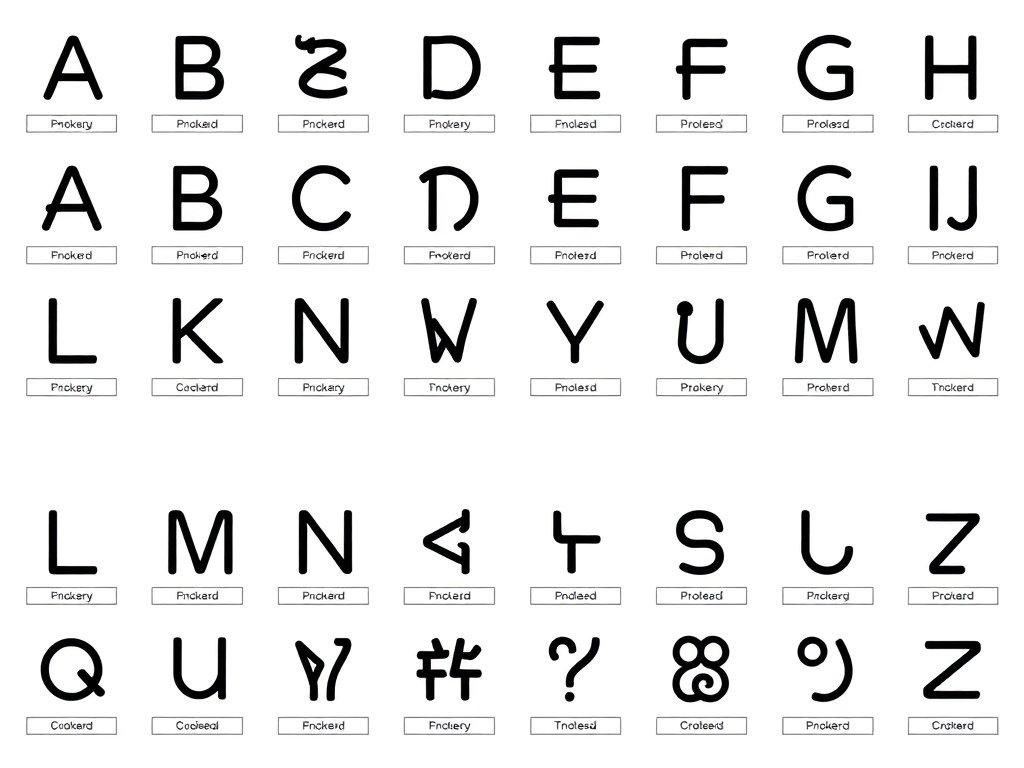
Aksara Sunda Translate refers to the process of converting Latin text into the traditional Sundanese writing system used in West Java, Indonesia. It can be done using online tools, keyboard converters, or manual script rules. These translators help students, researchers, and language enthusiasts read and write Sundanese characters accurately while preserving cultural heritage and improving digital accessibility for the language.
The Sundanese language has a rich cultural heritage, and its traditional script is an important part of that identity. Many learners today want an easy way to convert modern Latin text into traditional characters. Aksara Sunda Translate tools make this possible by automatically converting letters into the correct script format. These tools are widely used by students, teachers, and cultural researchers who want to learn or preserve Sundanese writing. In this guide, you will learn how the script works, how translation tools convert Latin text, and which methods provide the most accurate results. The article also explains the cultural significance of the script and practical ways to start using it online or for educational purposes.
Understanding the History of the Sundanese Writing System
The Sundanese writing system is one of Indonesia’s most important cultural scripts, historically used in the West Java region. It evolved from ancient Brahmic writing traditions and was influenced by scripts used across Southeast Asia. Historically, the script appeared in manuscripts, stone inscriptions, and traditional documents. These writings preserved religious texts, literature, and historical records. Over time, modernization and the widespread use of Latin letters reduced its everyday use, but cultural institutions continue to promote the script as an essential heritage element. Learning how traditional characters represent sounds is the first step to understanding how modern conversion tools work. When learners explore the script’s background, they gain a deeper appreciation of the language and its role in regional identity. This historical understanding also helps explain why digital tools are now being developed to keep the writing system alive.
The Structure of Traditional Sundanese Characters
Sundanese characters are organized into consonants, vowels, and additional marks that modify pronunciation. Each base character usually represents a consonant with an inherent vowel sound. Additional symbols are used to change or remove that vowel. Because of this system, writing in the script involves combining several elements rather than simply replacing one Latin letter with another. This structure makes the script visually distinctive and linguistically precise. Understanding these structural rules is essential for anyone who wants to read traditional texts or write their own words in the script. Educational institutions often teach these basics before introducing digital conversion tools. When people understand how characters interact with vowels and modifiers, they can better verify whether a translated result is correct. This foundation is helpful for students, language learners, and researchers studying regional scripts.
Why Digital Script Conversion Became Important
As digital communication expanded, many traditional scripts struggled to adapt to modern technology. The Sundanese script faced a similar challenge because most keyboards and software were designed for Latin alphabets. This created a gap between cultural preservation and everyday digital use. Conversion technology solved this issue by allowing users to type normal Latin text and automatically generate the corresponding characters. Such systems have become valuable for schools, cultural organizations, and researchers who want to maintain linguistic heritage in a digital environment. Modern software also supports fonts and Unicode standards, which means the script can now appear correctly on websites and documents. This digital transformation ensures that traditional writing systems remain accessible to younger generations who primarily communicate online. It also helps protect cultural knowledge that might otherwise disappear from everyday use.
How Online Script Translators Work
Online translation tools designed for traditional scripts rely on linguistic mapping rules. These systems analyze Latin characters and convert them into the closest corresponding script characters based on pronunciation patterns. Because Sundanese writing includes vowel markers and sound modifiers, conversion tools must interpret entire syllables rather than individual letters. This makes the process slightly more complex than standard language translation. Developers design algorithms that follow phonetic rules to generate accurate results. Some platforms even include learning features that show how characters are formed step by step. These systems are particularly helpful for beginners who want to practice writing and reading the script. By automating the conversion process, modern tools allow users to experiment with the script without needing advanced linguistic knowledge.
Learning the Basics Before Using a Translator
Before relying completely on digital conversion tools, learners should understand the fundamental principles of the script. Knowing the difference between base characters and vowel modifiers helps users identify mistakes in automated results. Many educational guides recommend practicing a few characters manually before using any digital system. This approach builds familiarity with the script’s visual patterns and sound associations. Once learners recognize the basic shapes and pronunciation rules, they can more confidently interpret the output produced by software tools. In language learning, technology works best when combined with foundational knowledge. By studying the basics first, users can transform translation tools from simple converters into valuable educational resources that strengthen their understanding of Sundanese writing.
Common Challenges When Converting Latin Text
Converting Latin text into traditional scripts is not always perfect because languages often contain sounds that are represented differently across writing systems. Sundanese writing relies on syllable structures rather than direct alphabet replacements. This can sometimes produce unexpected results if the original text contains unusual sound combinations. Another challenge is regional pronunciation differences, which may affect how certain words are written. Translators typically follow standardized rules, but local variations can still exist. Understanding these challenges helps users approach conversion tools with realistic expectations. Instead of assuming that every translation will be flawless, learners can treat the results as a starting point that may require minor adjustments.
The Role of Unicode in Script Preservation
Unicode technology plays a major role in preserving traditional scripts in modern computing systems. Without Unicode support, characters might appear as empty boxes or incorrect symbols on different devices. By assigning a unique code to each character, Unicode ensures that the script can be displayed consistently across platforms. This technological development has made it possible for websites, educational materials, and mobile applications to include traditional writing systems. It also enables digital archives to store historical texts accurately. Thanks to these standards, the Sundanese script can now be used in online communication, academic research, and digital publishing without compatibility problems.
Also read this: Simontok Browser Anti Blokir 2024 Gratis Versi Lama APK – Full Guide & Download
Educational Benefits of Learning Traditional Scripts
Studying traditional writing systems provides more than linguistic knowledge. It helps learners understand the cultural and historical background of a region. When students explore scripts used by earlier generations, they gain insight into literature, folklore, and historical documentation. This connection strengthens cultural identity and encourages respect for linguistic diversity. Educational programs often include script learning as part of broader language preservation efforts. Students who engage with these systems develop stronger analytical skills because they learn how different writing systems represent sounds and meanings. Such knowledge also helps linguists compare language structures across cultures.
Practical Applications in Modern Communication
Although traditional scripts are often associated with historical manuscripts, they also have modern applications. Cultural events, educational programs, and regional publications frequently use the script to celebrate local heritage. Digital design projects also incorporate traditional characters in logos, artwork, and educational graphics. As interest in regional languages grows, more people are experimenting with traditional scripts in creative contexts. This modern usage demonstrates that historical writing systems can remain relevant even in a digital world. When combined with modern technology, traditional scripts become tools for both education and cultural expression.
Popular Tools Used for Script Conversion
Several educational platforms and online tools allow users to convert Latin text into Sundanese characters. These platforms typically include typing interfaces, preview windows, and downloadable fonts. Some tools also provide pronunciation guidance, making them useful for beginners. Teachers and students often rely on these platforms to prepare classroom materials or practice writing exercises. By offering instant results, such tools reduce the learning barrier for people unfamiliar with the script. Many platforms are free and accessible through web browsers, which means users do not need specialized software. This accessibility has significantly increased global awareness of Sundanese writing traditions.
Cultural Importance of Preserving the Script
Traditional scripts represent more than just writing systems; they are symbols of cultural identity. For communities in West Java, the Sundanese script reflects centuries of intellectual and artistic expression. Preserving this script ensures that historical manuscripts and cultural knowledge remain accessible to future generations. Governments and cultural organizations often support preservation programs, including educational initiatives and digital archives. These efforts encourage younger generations to reconnect with their linguistic heritage. By learning and using the script, people actively contribute to the preservation of their cultural traditions.
Tips for Beginners Learning the Script
Beginners should start by memorizing a small group of base characters before exploring vowel markers and modifiers. Practice writing characters repeatedly to become comfortable with their shapes. Using educational charts or printable worksheets can make learning easier. Once the basic characters are familiar, learners can experiment with digital tools to convert simple words and phrases. Reading examples from textbooks or online guides also helps reinforce recognition skills. Consistent practice is the most effective way to become comfortable with the script.
How Language Technology Supports Cultural Learning
Modern language technology is transforming how people learn traditional scripts. Interactive websites, mobile applications, and educational videos now provide step-by-step lessons that make learning more engaging. Some platforms include animated demonstrations showing how each character is written. Others allow users to type words and instantly see the script appear on the screen. These features make the learning process more interactive and accessible. By combining technology with traditional knowledge, educational tools ensure that historical writing systems remain relevant in contemporary learning environments.
Future of Sundanese Script in the Digital Era
The future of traditional scripts depends largely on digital accessibility and educational interest. As more developers create fonts, keyboards, and conversion tools, the Sundanese script will become easier to use across devices. Educational institutions also play a crucial role by integrating script learning into language programs. Increased online resources and digital archives will likely encourage researchers and students to explore the script further. When technology supports cultural preservation, traditional writing systems can continue evolving while maintaining their historical significance.
Conclusion
The Sundanese writing system represents an important part of Indonesia’s linguistic heritage. Modern technology has made it easier than ever to explore and learn this traditional script through digital tools and educational resources. Aksara Sunda Translate methods allow users to convert Latin text into traditional characters while maintaining the script’s unique structure and pronunciation rules. By understanding the basics of the writing system and using reliable conversion tools, learners can appreciate both the cultural and linguistic value of Sundanese writing. As digital platforms continue to support regional languages, the script will remain accessible to new generations who wish to explore and preserve their cultural heritage.
FAQs
1. What is the Sundanese script used for today?
It is mainly used in cultural education, academic research, and regional publications that celebrate Sundanese heritage.
2. Can beginners learn the script easily?
Yes, beginners can learn it by starting with base characters and practicing with charts or digital learning tools.
3. Are online script converters accurate?
Most converters follow standard pronunciation rules, but users may still need to review results for uncommon words.
4. Is the script supported on modern devices?
Yes, Unicode support allows the characters to display correctly on most computers and smartphones.
5. Do schools teach this script today?
Some schools and cultural programs include it in language and heritage education.
6. Can the script be used in graphic design?
Yes, many designers use traditional characters in logos, artwork, and educational materials.
7. Why is script preservation important?
Preserving traditional scripts protects historical knowledge and strengthens cultural identity for future generations.
For more info: techmaginsider.com
