
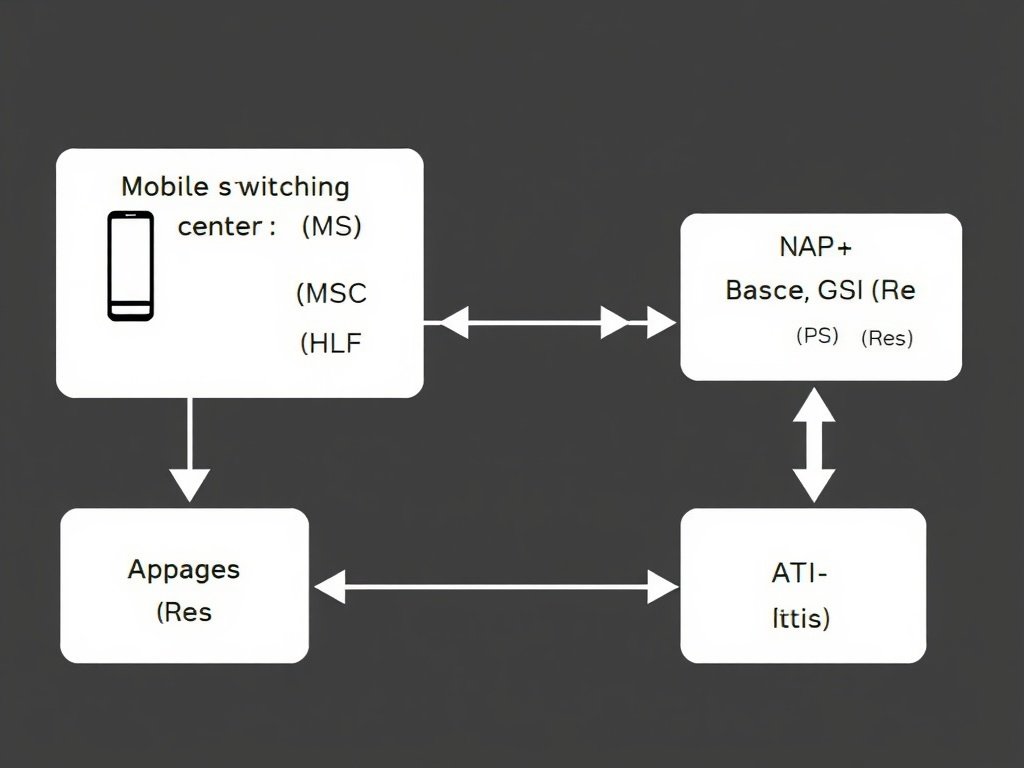
Any Time Interrogation (ATI) is a telecom procedure that allows operators to instantly query subscriber information from the Home Location Register (HLR) or Visitor Location Register (VLR). It helps in monitoring network activity, verifying subscriber status, and detecting potential fraud in real-time. ATI ensures accurate subscriber management without interrupting ongoing services, making it essential for GSM and 5G networks.
Any Time Interrogation (ATI) in telecom is a critical mechanism used by operators to access subscriber information on demand. By querying the HLR or VLR, ATI enables instant verification of mobile subscribers’ status, network location, and service eligibility. This process is essential for network monitoring, fraud prevention, and ensuring seamless connectivity. Modern telecom networks, including GSM and 5G, rely on ATI to maintain performance and security. Operators benefit from its efficiency, enabling proactive management and instant insights. Understanding ATI, its steps, benefits, and tools helps professionals optimize network operations and enhance subscriber experience.
What Is Any Time Interrogation (ATI) in Telecom
Any Time Interrogation (ATI) is a signaling procedure used in telecommunications that allows network operators to query subscriber information instantly from network databases such as the Home Location Register (HLR) or Visitor Location Register (VLR). Through ATI, operators can retrieve details including a subscriber’s service status, current network location, and available services.
ATI plays an important role in network management, subscriber verification, and service delivery. It enables real-time access to subscriber data without interrupting ongoing calls or messages, making it a valuable tool for maintaining network efficiency, troubleshooting, and supporting various telecom services.
Key Components of ATI
ATI relies on several network elements, primarily the HLR, VLR, and signaling protocols like MAP (Mobile Application Part). The HLR stores permanent subscriber information, while the VLR temporarily holds roaming data. MAP signaling facilitates the exchange of queries and responses. These components ensure ATI can retrieve accurate, real-time subscriber data, supporting activities like fraud detection, network optimization, and service verification. Understanding each component is critical for telecom engineers implementing ATI effectively.
How ATI Works in GSM Networks
In GSM networks, ATI queries are sent via signaling channels to the HLR. The HLR verifies subscriber status and responds with information such as service permissions, roaming details, or last known location. VLRs manage roaming subscribers by storing temporary information. This real-time querying process allows operators to monitor and manage subscribers efficiently. ATI operations are seamless, ensuring ongoing calls, SMS, or data sessions are unaffected, preserving the user experience while enabling network control.
Benefits of Any Time Interrogation
ATI offers multiple advantages: instant subscriber verification, fraud prevention, network optimization, and enhanced customer service. Operators can identify inactive or suspicious SIMs, verify roaming eligibility, and ensure accurate billing. It reduces manual checks and improves operational efficiency. By providing real-time insights into subscriber status, ATI enables telecom companies to maintain reliable network performance and minimize revenue leakage. This makes it a fundamental tool for modern mobile networks.
Step-by-Step Process of Performing ATI
The ATI process begins with sending a query from the operator’s network node to the HLR. The query requests specific subscriber information such as service status or location. The HLR verifies the data and responds via the signaling network. If the subscriber is roaming, the VLR forwards temporary data to ensure accuracy. Operators analyze the response to make decisions related to billing, network management, or fraud detection. Each step is automated for efficiency and minimal human intervention.
Role of HLR and VLR in ATI
The HLR stores permanent subscriber data, including subscription type, service permissions, and authentication details. The VLR temporarily manages information about roaming users. During ATI, the HLR provides verified subscriber information, while the VLR ensures real-time accuracy for those outside their home network. Together, these databases enable operators to maintain network integrity, prevent unauthorized access, and optimize services across regions, making ATI a critical operation in telecom.
Also read this: Tumbons: The Ultimate Guide to Choosing the Perfect One
Common Challenges in ATI Implementation
Challenges include network latency, signaling congestion, outdated subscriber data, and potential privacy concerns. High query volumes can strain MAP signaling, slowing responses. Ensuring accurate and updated HLR/VLR data is essential to prevent errors. Operators must also comply with regulatory requirements to protect subscriber information. Addressing these challenges requires optimized network infrastructure, proper security protocols, and periodic audits to maintain efficient and reliable ATI operations.
ATI for Fraud Detection in Telecom
Telecom fraud such as SIM cloning, unauthorized roaming, and fake subscriptions can be detected using ATI. By querying subscriber status in real-time, operators can spot anomalies like duplicate SIM usage or inactive accounts attempting service access. Early detection allows quick mitigation, reducing revenue loss and protecting subscribers. ATI is an indispensable tool in telecom security strategies, enabling proactive identification and response to suspicious activities across networks.
ATI vs Other Subscriber Query Methods
ATI differs from other queries like periodic batch checks or offline database audits. Unlike these methods, ATI provides immediate responses, allowing real-time decisions. Traditional queries may delay fraud detection or service verification. ATI ensures faster network response, continuous monitoring, and operational efficiency. This distinction makes ATI preferable for operators prioritizing seamless communication, security, and subscriber satisfaction.
Also read this: Complete Guide to Cintia Coció Recipes, Secrets & Culinary Skills
Tools and Software for Performing ATI
Telecom operators use specialized software like signaling analyzers, network management systems, and MAP testing tools for ATI. These tools automate query generation, monitor response accuracy, and log results for auditing. Some solutions integrate AI-driven analysis to detect unusual patterns or potential fraud. Selecting the right combination of tools improves efficiency, reduces errors, and ensures ATI delivers accurate insights without disrupting network operations.
Best Practices for Efficient ATI
Operators should maintain updated HLR/VLR records, manage signaling traffic efficiently, and implement strict security protocols. Automating query processes and monitoring system performance prevents latency issues. Regular audits and compliance checks ensure ATI operates within regulatory boundaries. Educating network engineers on proper ATI techniques also enhances operational efficiency. These best practices help telecom providers maximize the benefits of ATI while maintaining network stability and subscriber trust.
Impact of ATI on Network Performance
ATI improves network performance by enabling proactive subscriber monitoring and timely resource allocation. It reduces errors in billing, prevents service interruptions, and supports seamless roaming. Efficient ATI operations ensure minimal signaling congestion, maintaining call quality and data connectivity. Operators gain insights into network usage patterns, optimizing capacity and preventing overloads. This contributes to overall reliability and subscriber satisfaction.
Security Considerations in ATI
Protecting subscriber data during ATI is vital. Queries must be encrypted and access restricted to authorized personnel. Compliance with privacy regulations prevents data misuse. Secure signaling protocols and audit logs ensure ATI operations are traceable and tamper-proof. Implementing these security measures protects operators from potential breaches and builds customer confidence in telecom services.
Future Trends: ATI in 5G Networks
5G networks introduce higher subscriber density and faster data speeds, requiring advanced ATI mechanisms. Integration with AI, predictive analytics, and network slicing enables real-time subscriber management at scale. Future ATI will support more complex services, IoT devices, and multi-network roaming. Operators adopting these trends will enhance service quality, security, and operational efficiency in next-generation telecom ecosystems.
Conclusion and Key Takeaways
Any Time Interrogation (ATI) is essential for real-time subscriber monitoring, fraud prevention, and network optimization. It relies on HLR/VLR data and signaling protocols to provide accurate insights without interrupting service. Following best practices, maintaining security, and adopting advanced tools ensures operators maximize ATI benefits. Understanding ATI empowers telecom professionals to enhance network performance, protect subscribers, and support modern mobile services efficiently.
FAQs
What does ATI mean in telecom?
ATI (Any Time Interrogation) is a signaling method used to request subscriber information from the HLR or HSS in real time.
Which networks use ATI?
ATI is mainly used in GSM and UMTS networks for subscriber data queries.
Is ATI safe for subscribers?
Yes, when used with proper security and authorized access, it protects subscriber privacy.
How does ATI help prevent fraud?
ATI helps detect duplicate SIMs, inactive accounts, and suspicious subscriber activity.
Do ATI queries affect network performance?
No, properly managed ATI queries do not interrupt calls, SMS, or data services.
Can ATI track roaming subscribers?
Yes, ATI can retrieve roaming and location information from VLR/MSC.
What tools are used for ATI?
Signaling analyzers, network management systems, and MAP testing tools are commonly used.
For more info: techmaginsider.com
